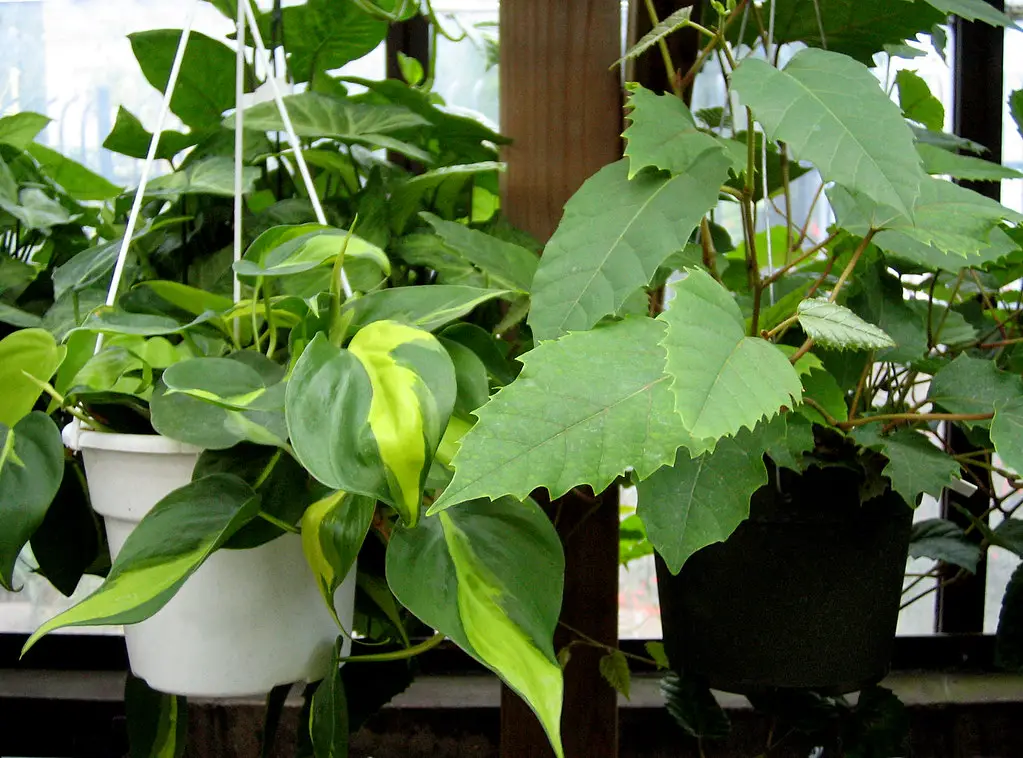
The Brasil Philodendron, a popular houseplant, boasts vibrant and colorful leaves that can brighten any indoor space. Known for its unique pattern of bright yellow and green stripes, this philodendron variety has become a favorite among plant enthusiasts.
Being a part of the larger Philodendron genus, the Brasil variant is relatively easy to care for, making it a fantastic choice for both beginners and experienced gardeners. Its resilience to common indoor conditions and striking appearance ensure its place in homes and offices.
Native to the rainforests of South America, the Brasil Philodendron has been adapted to thrive in indoor environments. Its trailing growth habit makes it suitable for hanging baskets or as a tabletop plant with cascading vines.
| Attribute | Details |
|---|---|
| Common Names | Brasil Philodendron, Philodendron ‘Brasil’ |
| Botanical Name | Philodendron hederaceum ‘Brasil’ |
| Family | Araceae |
| Plant Type | Tropical perennial vine |
| Mature Size | 1-2 feet tall, trailing vines up to 8 feet |
| Sun Exposure | Indirect light |
| Soil Type | Well-draining, peat-based potting mix |
| Hardiness Zones | 11-12 |
| Native Area | South America |
Brasil Philodendron Care
Caring for Brasil Philodendron involves regular attention to its basic needs, including light, water, and proper soil. Providing indirect sunlight and maintaining a consistent watering routine will help this plant thrive.
The ease of caring for Brasil Philodendron makes it an attractive option for home gardeners. Regular inspection for pests and diseases, coupled with occasional fertilization, will ensure healthy growth.
Light Requirement for Brasil Philodendron
Brasil Philodendron prefers bright, indirect light. Direct sunlight can scorch its leaves, while too little light may cause the leaves to lose their vibrant variegation. Placing it near a north or east-facing window provides optimal light conditions.
Soil Requirements for Brasil Philodendron
A well-draining, peat-based potting mix is ideal for Brasil Philodendron. A mix that retains some moisture but allows excess water to drain will prevent root rot and other related problems.
Water Requirements for Brasil Philodendron
Watering should be consistent but not excessive. Allow the top inch of soil to dry between waterings, and then water thoroughly. Overwatering can lead to root rot, so it’s essential to avoid letting the plant sit in standing water.
Temperature and Humidity
Brasil Philodendron enjoys temperatures between 60-75°F (16-24°C). It can tolerate lower temperatures but not freezing. It also appreciates high humidity, mimicking its native tropical environment. A room humidifier or misting can help maintain humidity levels.
Fertilizer
Fertilize Brasil Philodendron with a balanced liquid fertilizer every 6-8 weeks during the growing season. Avoid over-fertilizing, as this can lead to salt buildup and leaf burn.
Pruning Brasil Philodendron
Pruning is generally done to control size or remove unhealthy growth. Regular trimming can encourage bushier growth. Cut back any leggy vines or yellow leaves to keep the plant looking its best.
Propagating Brasil Philodendron
Brasil Philodendron is easily propagated through stem cuttings. Cut a stem with at least one leaf and place it in water or soil. Roots should appear in a few weeks, and the cutting can be planted in its permanent container.
How To Grow Brasil Philodendron From Seed
Growing Brasil Philodendron from seed is less common and more challenging. Seeds can be sown in a moist seed-starting mix and kept in a warm, humid environment until germination.
Common Pests & Plant Diseases
Spider Mites
Small insects that can cause stippling on the leaves.
Root Rot
A common problem if the plant is overwatered or in poorly-drained soil.
Common Problems With Brasil Philodendron
Leaf Yellowing
Often a sign of overwatering or poor soil drainage.
Loss of Variegation
A result of inadequate light, causing the leaves to lose their distinctive pattern.
Pro Tips
- Keep the plant out of direct sunlight to prevent leaf scorching.
- Maintain consistent watering, allowing the top inch of soil to dry between waterings.
- Provide support if you prefer a more upright growth habit.
- Monitor regularly for signs of pests or diseases for early intervention.
- Consider repotting every 2-3 years to refresh the soil and check root health.