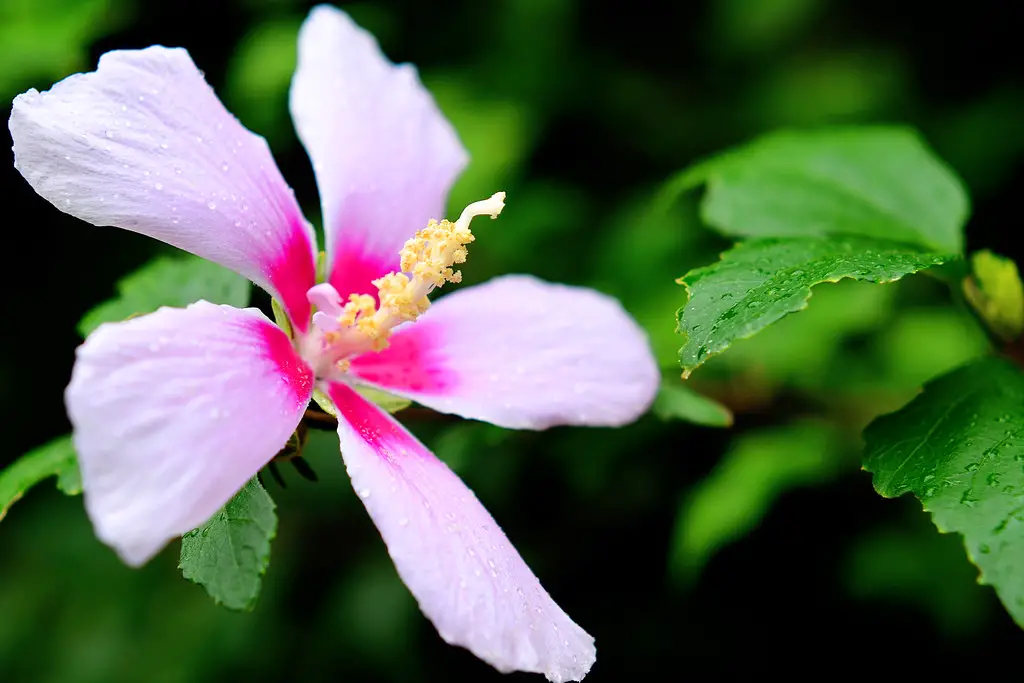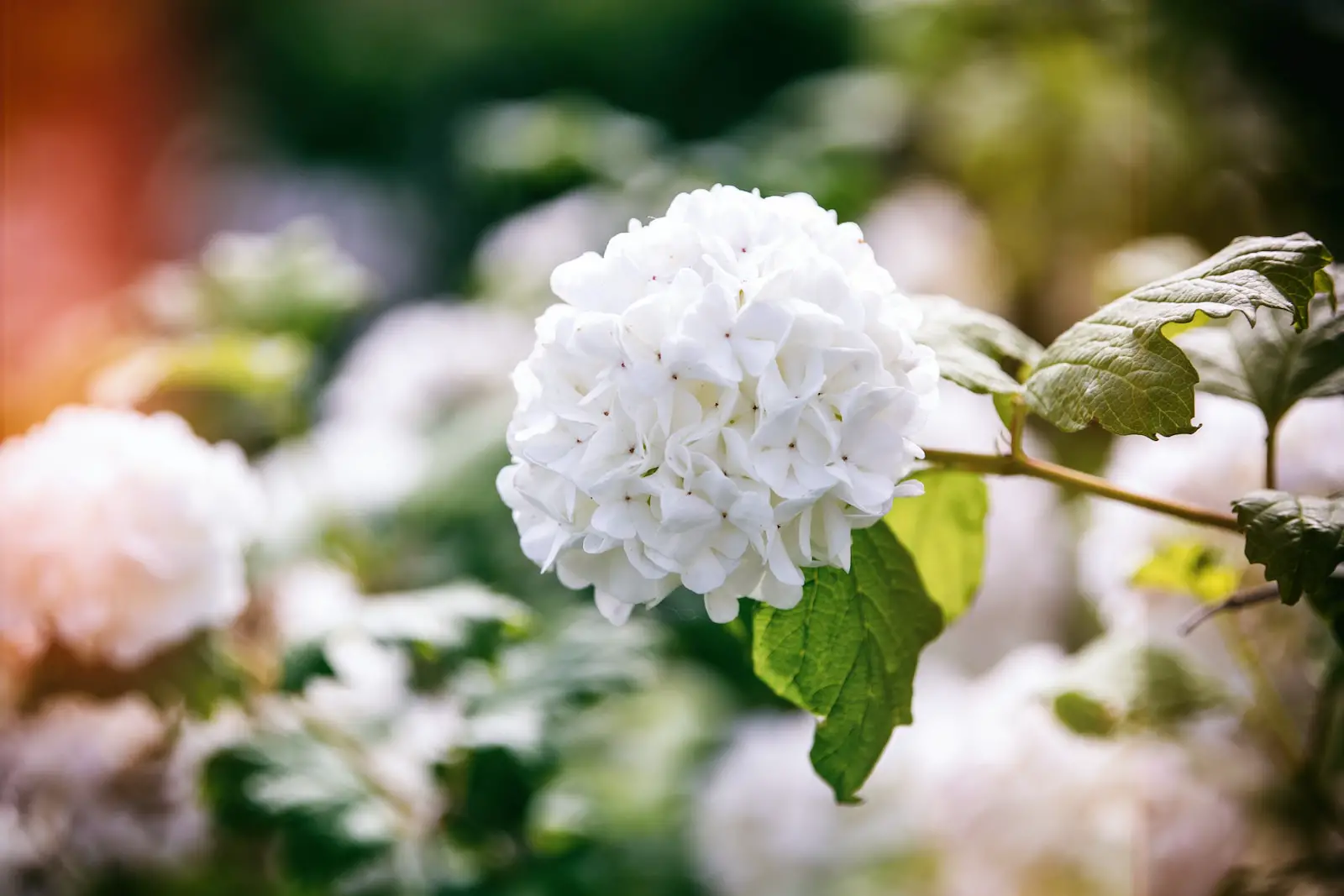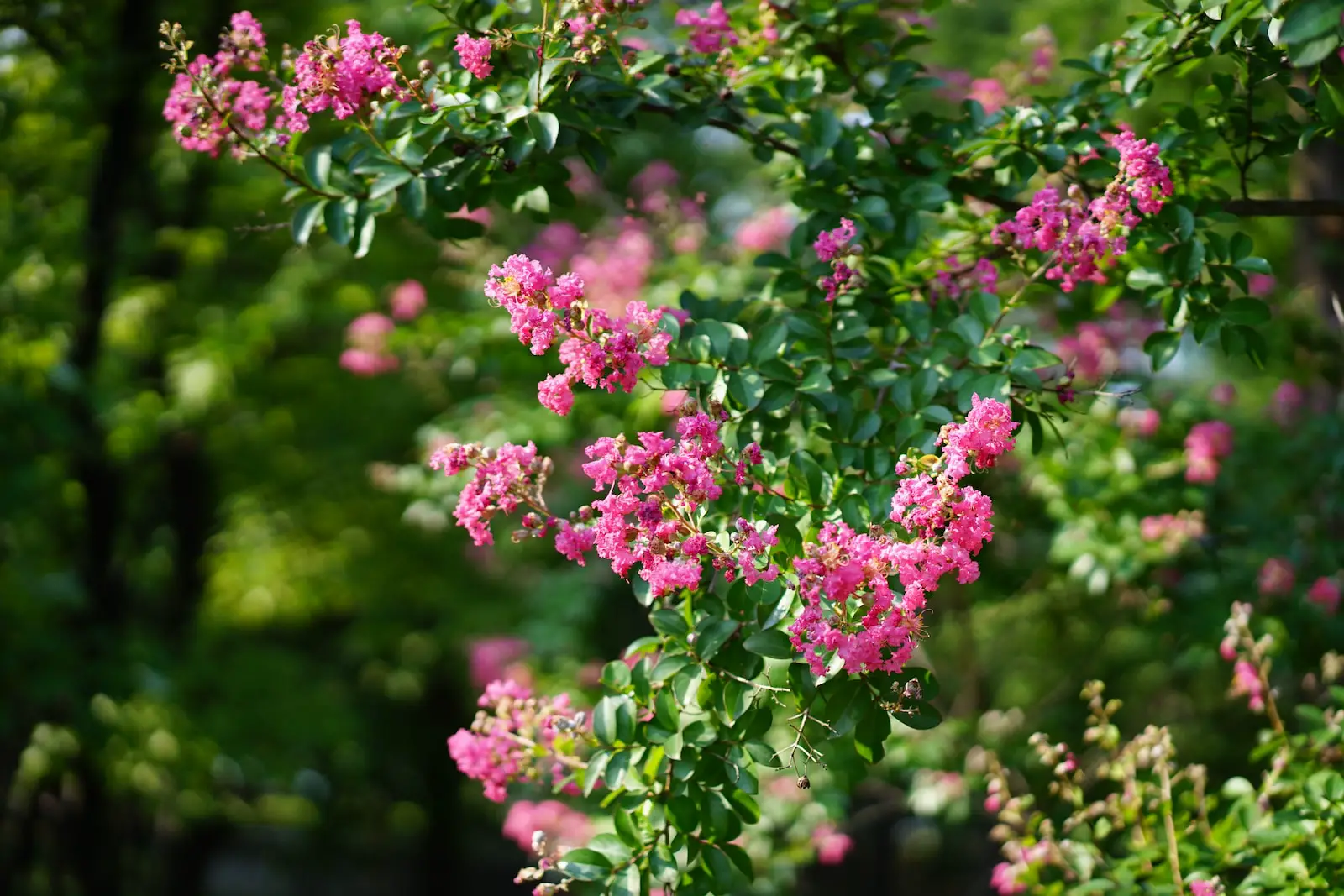
Crape Myrtle, with its vibrant blossoms, smooth bark, and graceful appearance, has earned its place as one of the most beautiful ornamental trees. Often seen adorning streets, parks, and gardens, Crape Myrtle offers a delightful display throughout the summer, blooming in various shades of white, pink, red, and purple.
Native to Asia, Crape Myrtle has become a popular choice in the United States, particularly in the Southeast. It’s not just the bright flowers that make it stand out; the Crape Myrtle also boasts an attractive, peeling bark that adds visual interest in the winter months. With a range of sizes from dwarf shrubs to towering trees, Crape Myrtle fits into many landscapes.
The adaptability and minimal care requirements make Crape Myrtle an ideal choice for both novice gardeners and seasoned horticulturists. Its ability to thrive in various soil types, coupled with drought resistance, means that Crape Myrtle can beautify different regions and environments.
| Attribute | Details |
|---|---|
| Common Names | Crape Myrtle, Crepe Myrtle |
| Botanical Name | Lagerstroemia |
| Family | Lythraceae |
| Plant Type | Deciduous tree or shrub |
| Mature Size | Varies from 3 to 20 feet |
| Sun Exposure | Full sun |
| Soil Type | Well-drained, slightly acidic soil |
| Hardiness Zones | 7-9 |
| Native Area | Asia, particularly China and Korea |
Crape Myrtle Care
Caring for Crape Myrtle is generally uncomplicated. This plant is valued for its resistance to drought and its adaptability to various soil conditions. Regular pruning and monitoring for diseases can keep it looking its best.
Crape Myrtle thrives in sunny locations and appreciates well-drained soil. Watering during dry spells, especially in the early years, will promote healthy growth, while a light application of fertilizer can enhance blooming.
Light Requirement for Crape Myrtle
Full sun is essential for Crape Myrtle’s health and flower production. Planting in a location that receives at least six to eight hours of direct sunlight will ensure a profusion of vibrant blossoms.
Soil Requirements for Crape Myrtle
Crape Myrtle grows best in well-drained, slightly acidic soil with a pH of 5.0 to 6.5. While adaptable to various soil types, poorly drained or heavy clay soils should be amended with organic matter to encourage healthy root development.
Water Requirements for Crape Myrtle
Regular watering is essential during the first few years, helping the Crape Myrtle establish a strong root system. Once established, the plant is drought-tolerant but appreciates occasional watering during prolonged dry spells.
Temperature and Humidity
Crape Myrtle thrives in warm temperatures but can tolerate occasional cold snaps down to 0°F. It doesn’t have specific humidity requirements but does best in regions with hot, humid summers.
Fertilizer
Fertilizing Crape Myrtle in early spring with a balanced, slow-release fertilizer can encourage blooming. Avoid over-fertilizing, as excessive nitrogen may lead to lush foliage at the expense of flowers.
Pruning Crape Myrtle
Pruning is vital to maintain Crape Myrtle’s shape and promote flowering. Late winter or early spring is the ideal time for pruning. Remove dead or weak branches and trim back to desired height or shape.
Propagating Crape Myrtle
Crape Myrtle can be propagated through softwood cuttings taken in early summer. The cuttings should be rooted in a mixture of sand and peat moss and kept moist until roots develop.
How To Grow Crape Myrtle From Seed
Growing Crape Myrtle from seed can be done but is less common. Seeds should be sown indoors in late winter and transplanted outdoors after the danger of frost has passed. Germination may be slow and inconsistent.
Common Pests & Plant Diseases
Aphids
Aphids can be controlled with insecticidal soap or neem oil.
Powdery Mildew
Planting in full sun and ensuring good air circulation can prevent powdery mildew.
Common Problems With Crape Myrtle
Leaf Spot
Leaf spot, a fungal disease, can be treated with appropriate fungicides.
Improper Pruning
Over-pruning or “topping” can lead to weak growth and reduced flowering. Following proper pruning practices is essential.
Pro Tips
- Select disease-resistant varieties to minimize common problems.
- Plant in well-draining soil to avoid root rot.
- Space plants properly to ensure good air circulation.
- Avoid overwatering and over-fertilizing.
- Apply mulch to conserve moisture and suppress weeds.